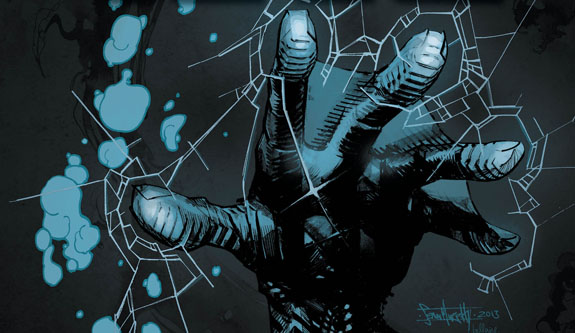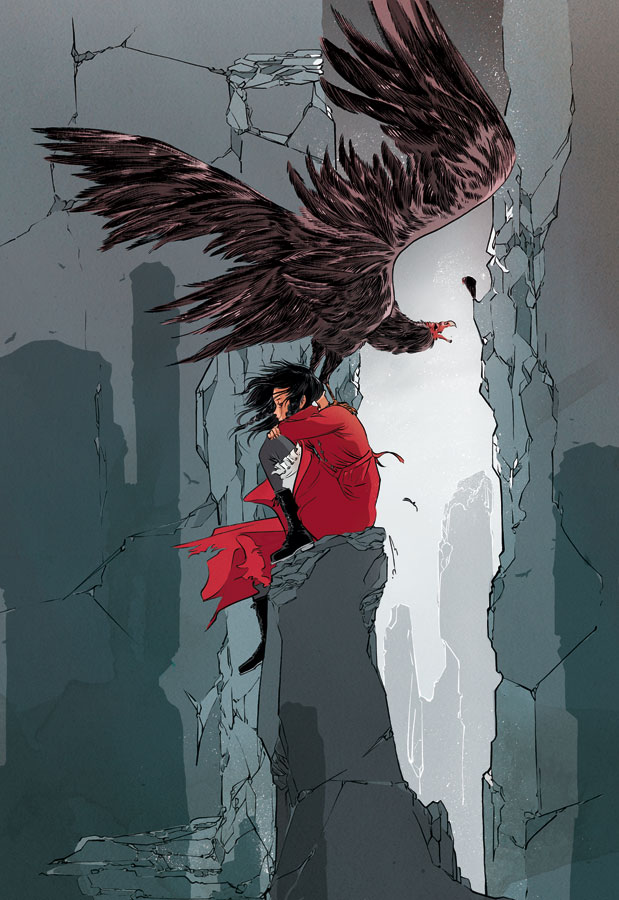

East of West, by Hickman & Dragotta

east

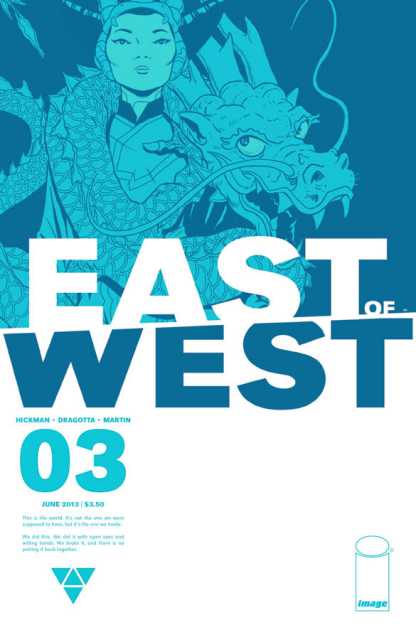
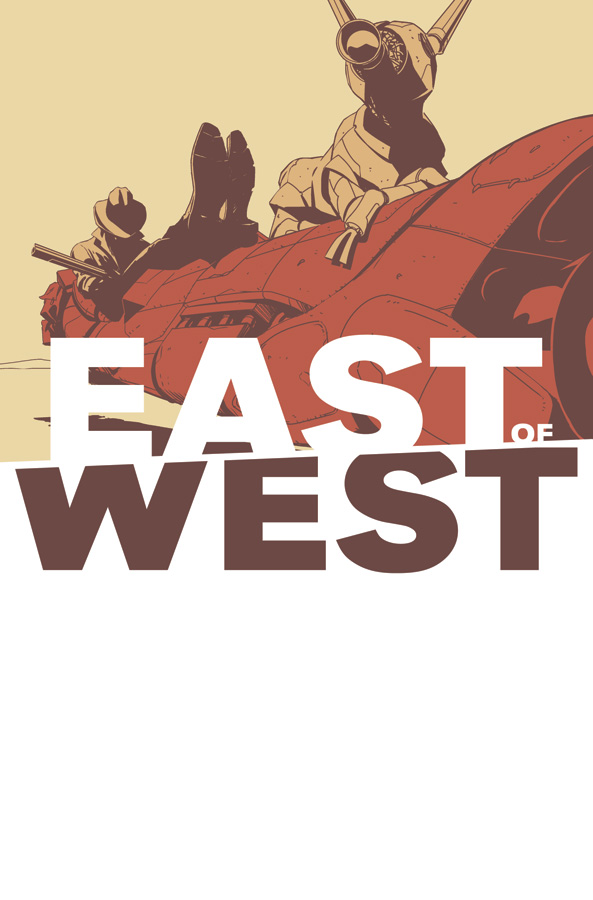
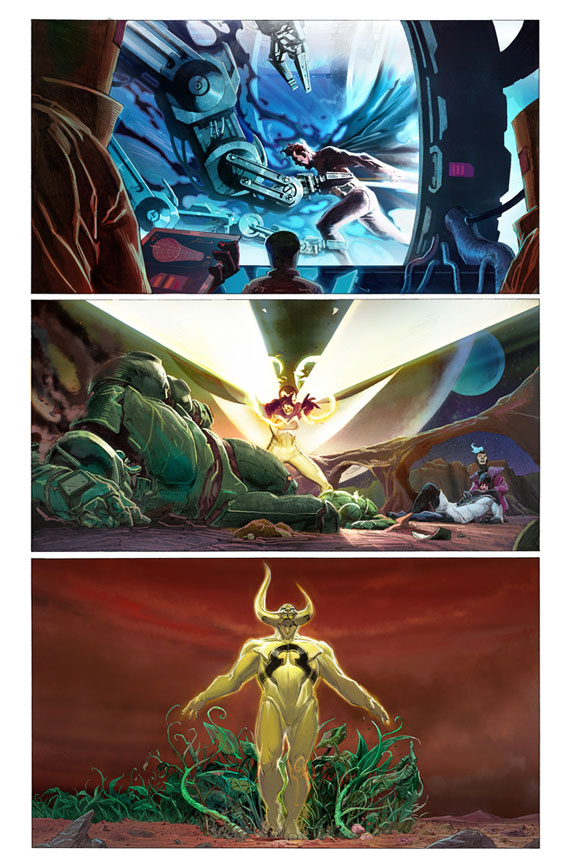
East of West seems almost custom-designed to foil synopsis, but here’s me trying: it takes place in 2049 in an alternate America that was wracked by extensive civil wars, and has split into seven nations, including the Confederate States, a unified Endless Indian Nation, and New Shanghai. Somehow these seven nations, or at least a number of their highest-placed members, share a holy text — a pieced-together book of enigmatic apocrypha called The Message, which details (and immanentizes) Armageddon.

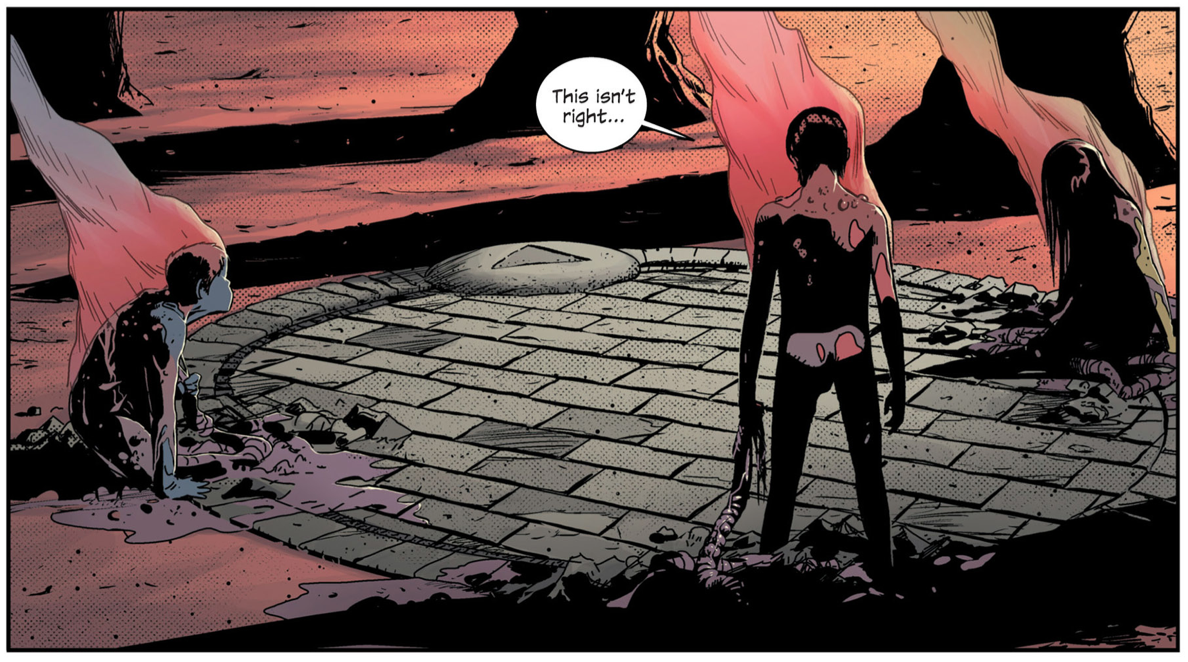
Jonathan Hickman’s richly layered story begins when, as foretold in The Message, the Horsemen of the Apocalypse awaken, embodied as children and eager to bring about the endgame, but surprised to discover that they are only three. Death, it seems, has broken off on his own.
East-of-West-Three-Horsemen

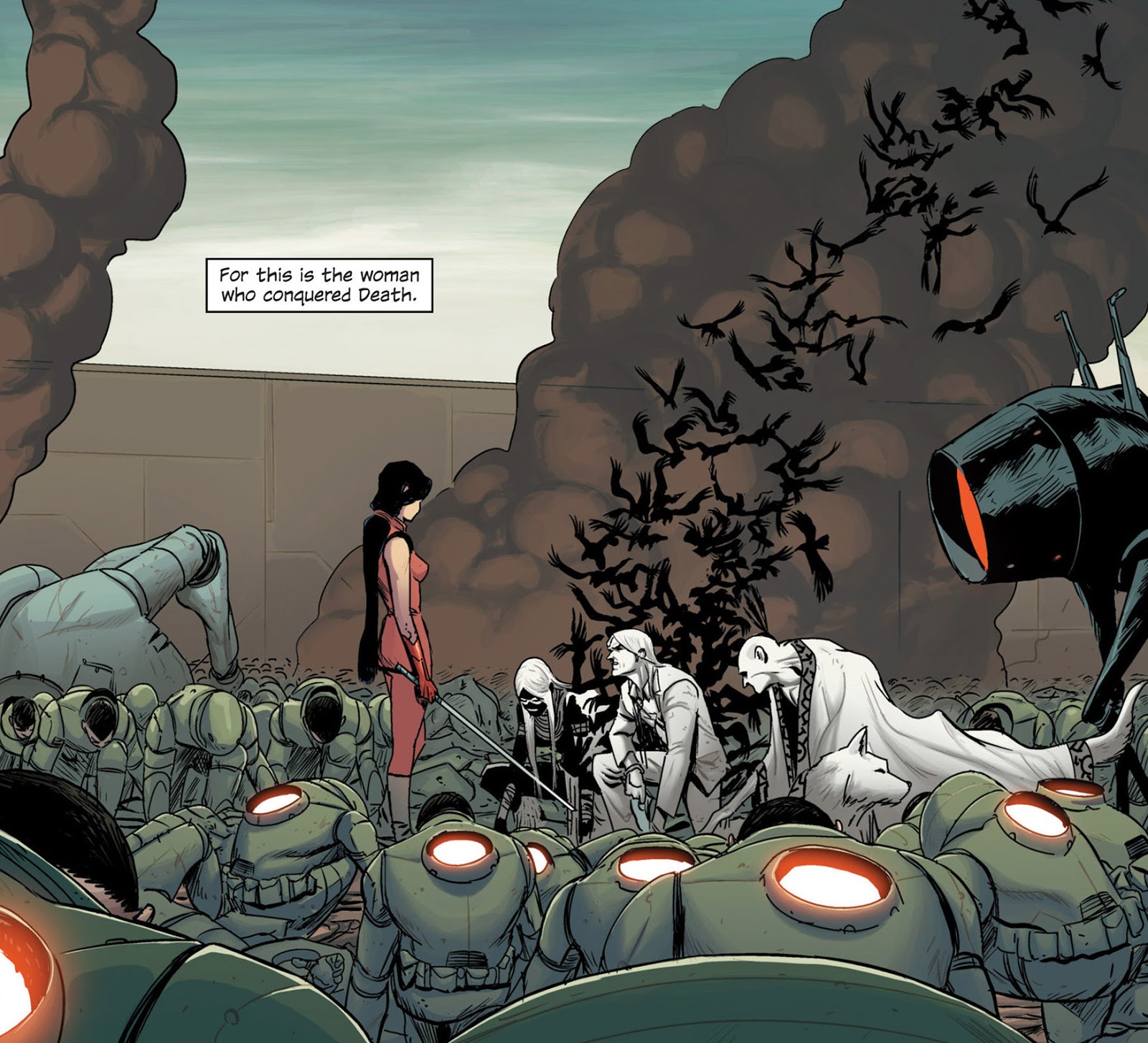
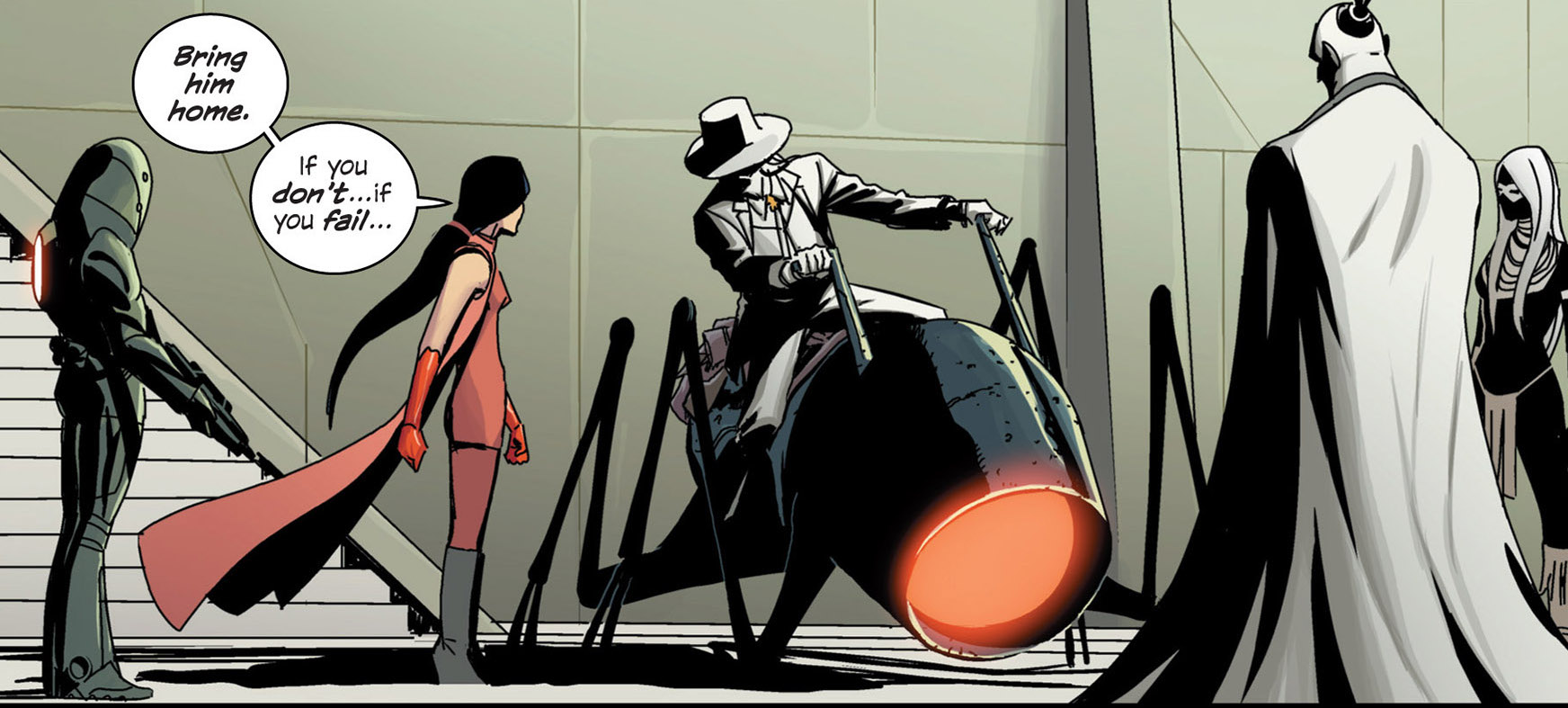
He’s riding a pale robot-horse across the seven nations, murdering acolytes of The Message in key positions. At first, his purposes are oblique, but soon become clear: Death is actually a little bit of a sap, and he’s trying to track down the woman he loves, who once loved him back.
east_of_west_004-024

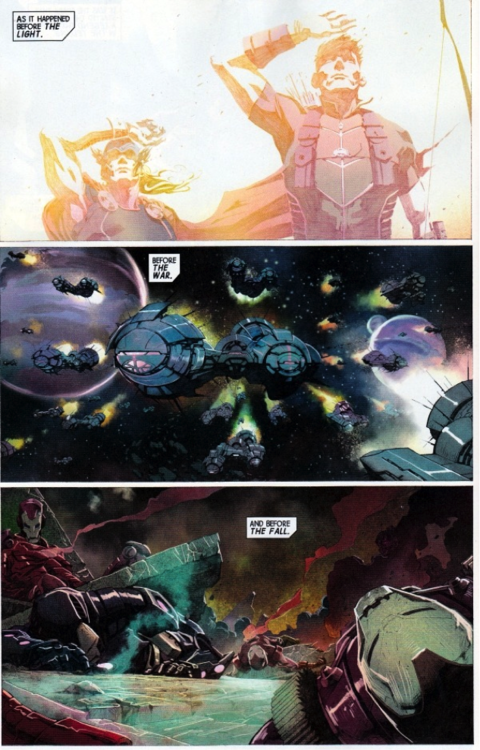
Like Emma Rios and Matteo Scalero, Nick Dragotta is a highly skilled and promising professional who’s done a fair amount of work for the big two and then taken a quantum leap into auteur cartooning with an astonishing new Image series. Books this vital bring new meaning to the phrase ‘creator-owned’ — not just the intellectual property but the voice itself, so fully developed and alive on the page, the world-building so immersive, so effortless and thorough, that it’s impossible to imagine anyone else drawing it. This is a cartoonist’s voice in perfect tune with the subject matter, the space where the stark lyricism of John Ford meets the hard, cold sheen of Ridley Scott. Dragotta can take something as silly as a cowboy riding that aforementioned robot-horse with a laser cannon for a face and render it so artfully, so matter-of-factly, that you don’t blink.
east_of_west_005-023

East of West is a baffling book, and it demands rereading. It wants to be puzzled over and dissected like an esoteric text. Why, for instance, does a book set in a shattered and rejiggered United States never offer us a map of the new territory?* Because it wants to disorient us, is my guess. It doesn’t just want to tell a story about the wild west — it wants to BE the wild west, a mapless, trackless wilderness in which we have to find our own way. It’s the worst of both worlds, the lawless west and the sci-fi distopia — the desolate unsafety of the uncharted territory meets the tight social net in which we’re all pawns of forces beyond our control. The tension between security and freedom has been resolved by eliminating both.

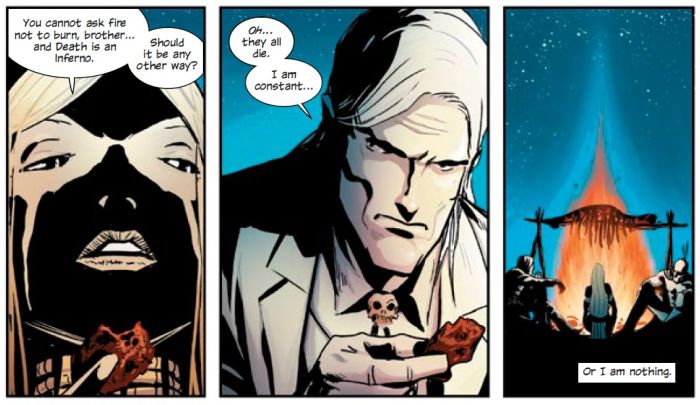
So what we have on our hands at first appears to be some kind of retro-futurist hard-science gnostic political-intrigue western. But Death’s longing to be returned to his wife and child are the hook on which the wild digressions and house-of-cards world-building of the series are hung. Death is what passes in this book for a protagonist (if a story this huge in scope and this resistant to reader-identification can even be said to have one), and he has a formality, a slow, lanky, Gary Cooper courtliness at odds with the river of carnage he leaves in his wake.
East-of-West-2-INT1

There is something appealing about him. The characters in East of West are motivated occasionally by lust, or greed, but mostly they are motivated by pure grievance and hatred. The only true cooperation in the book is an uneasy collaboration among sworn enemies in the interest of burning the world to the ground. It is never explained, at least thus far, why they want to bring about the end times — but in a world this dead-eyed, this calculating and vicious, it doesn’t seem totally counter-intuitive. Death, though just as violent and selfish as the rest of the characters in East of West, is motivated by devotion and ardor. So it turns out that East of West is a soul-sick romance, with a sense of strangled longing that pierces like an arrow through its huge, dark expanse. For all of its futuristic trappings and alternate past, it is about our modern world: irredeemable, possessed by hatred and avarice and resentment, seemingly on the verge of toppling into ruin, yet still, against all odds, animated by the capacity for love.

*As Rick and Justin pointed out in the comments, there IS in fact a map included in an early issue of East of West. I must have missed it the first time through, though, and didn’t see it in my recent re-read of the trade. I fully embrace the confusion that’s ensued!

– Josh O’Neill
Tuesday Tease

After a bit of a Christmas vacation, the Locust Moon Press Tuesday Tease is back to give everyone a glimpse at something we currently have in the works. Right now we’re closing in on the completion of our third Quarter Moon issue, due for release in February.

The first issue of our quarterly comics & illustration magazine focused on wordless stories.
Jeremy Baum
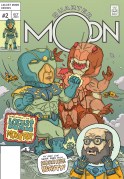
The second was a grab-bag of fun & fighting & touches of melancholy.
QM2_cover_150
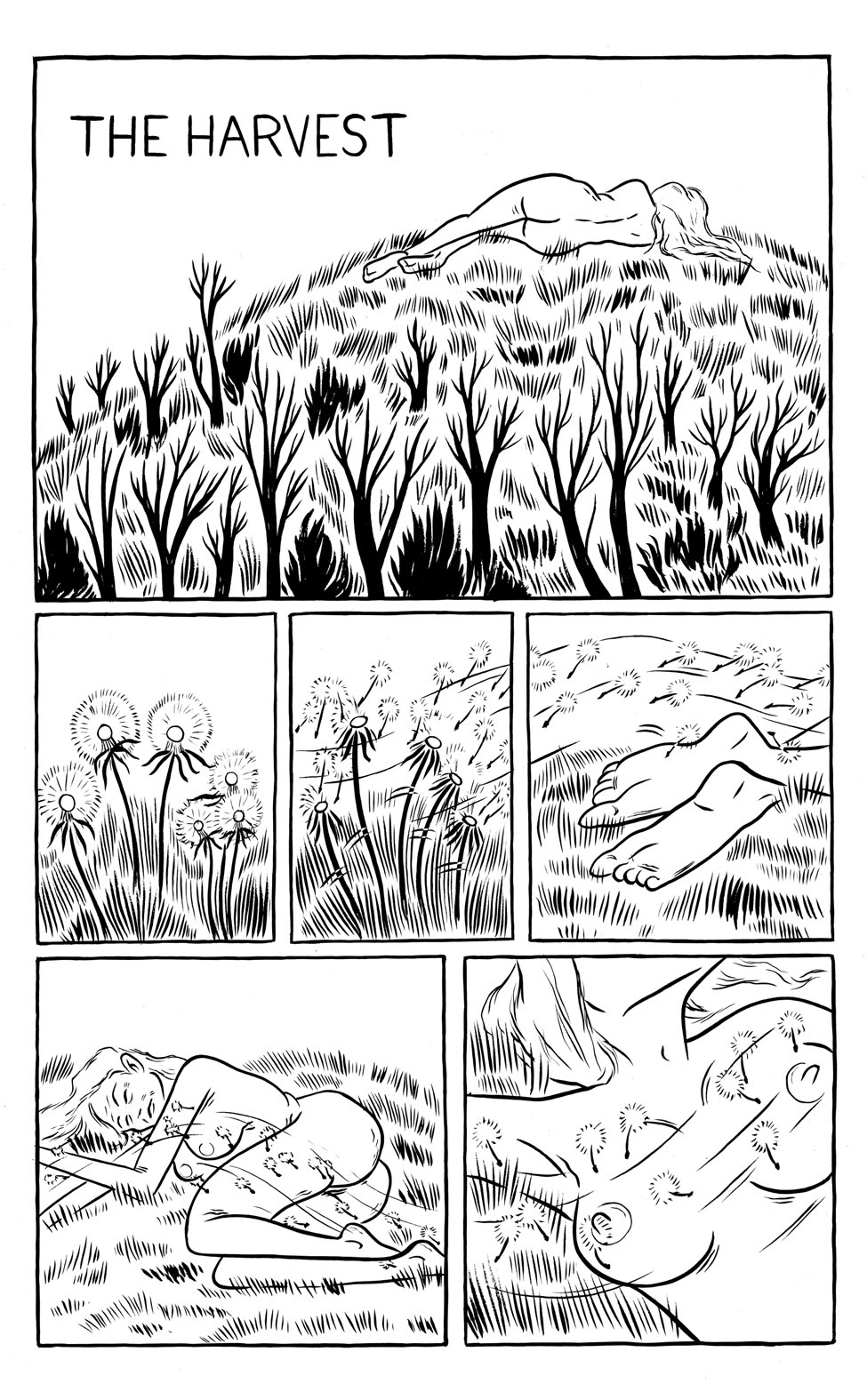
The third will celebrate a topic perfectly suited for Valentine’s Day. No, not love or romance or chocolate. Quarter Moon #3 is our erotica issue. And Alexandra Beguez has come back for another go, after having last created one of our favorite, and funniest, strips to date in Quarter Moon: Silence, “Alien Raver: Forbidden Fruit”. So today I thought we’d share the first page of her new story for #3, “The Harvest”.
beguez_harvest_pg1

The setup seems simple enough, right? I promise you won’t be able to guess what happens next. This one’s out-there in the best way possible.

Other stories you’ll see in this issue include…
Jimmy Comey’s “Tijuana Bible Strip Tease”
Keren Katz’s “Mr. Beenoon, Were You Watching?”
Charles Fetherolf’s “Lilith”
Maggie Eighteen & Annie Mok’s “Errand”
and Rob Woods’ “Wilbur, Where Art Thou?”
There’ll also be a cover or two by a couple of awesome special guests. Stay tuned for those!

See you next Tuesday…
– Andrew Carl

Locust Moon’s Top 40 Comics of 2013

Farewell, 2013. In place of our monthly Top 40 Countdown, we decided to spotlight the 40 best comics we read this past year.

Here are our favorites, in no particular order:

east

EAST OF WEST

Josh: Jonathan Hickman & Nick Dragotta are perfectly matched on this genre-defying retro-futurist opus. Equal parts western, sci-fi, romance, alternate history, religious deconstruction and social parable, it feels nothing like a mashed-up melange — it feels like a pure, high howl, equal parts fear and longing, that echoes off the motherboarded cities and across the wide, lonesome plain.

iwahno1coverworkingcolor1

IT WILL ALL HURT

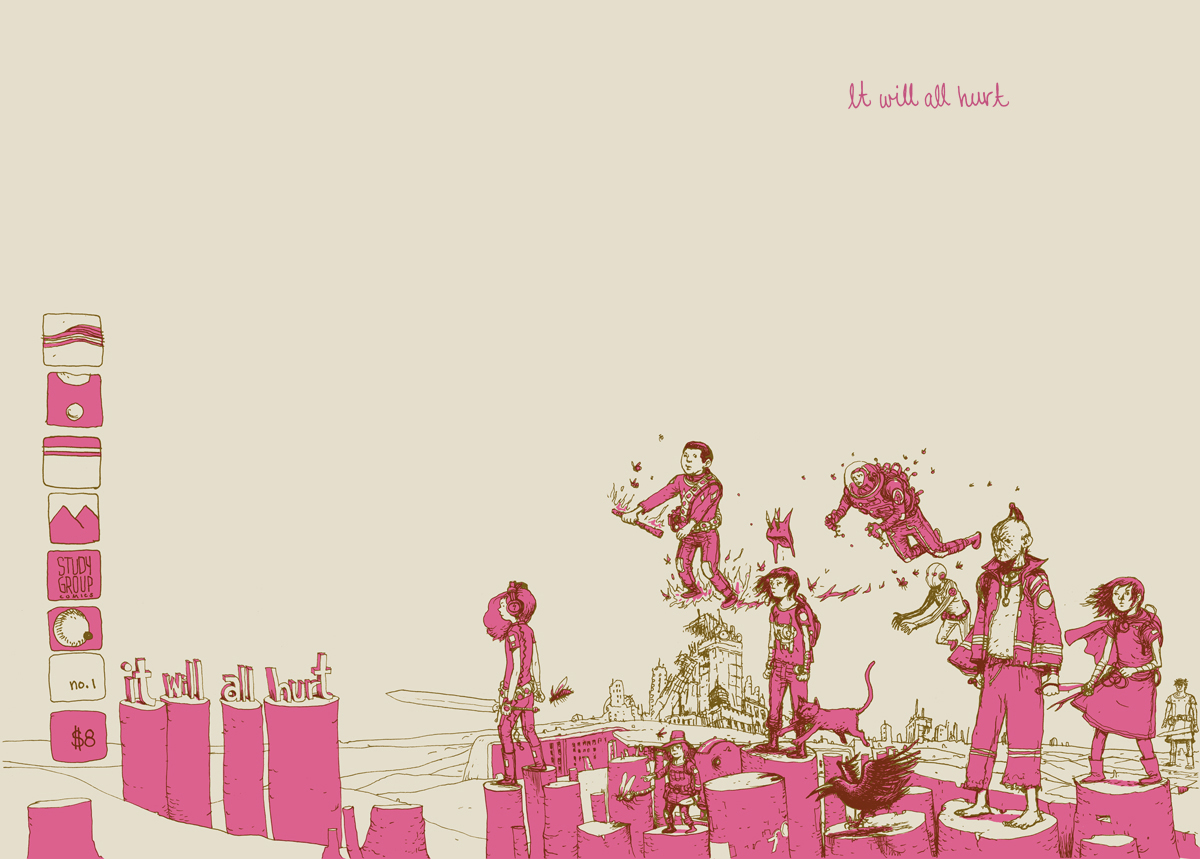
Chris: Begun as a means of unwinding from the grind & pressures of producing what would become the 304-page THE WRENCHIES, this magical, surreally lyrical  adventure packs as much feeling and pure cartooning chops into one issue as most cartoonists are lucky enough to get out of a whole career.

FB_pg_0

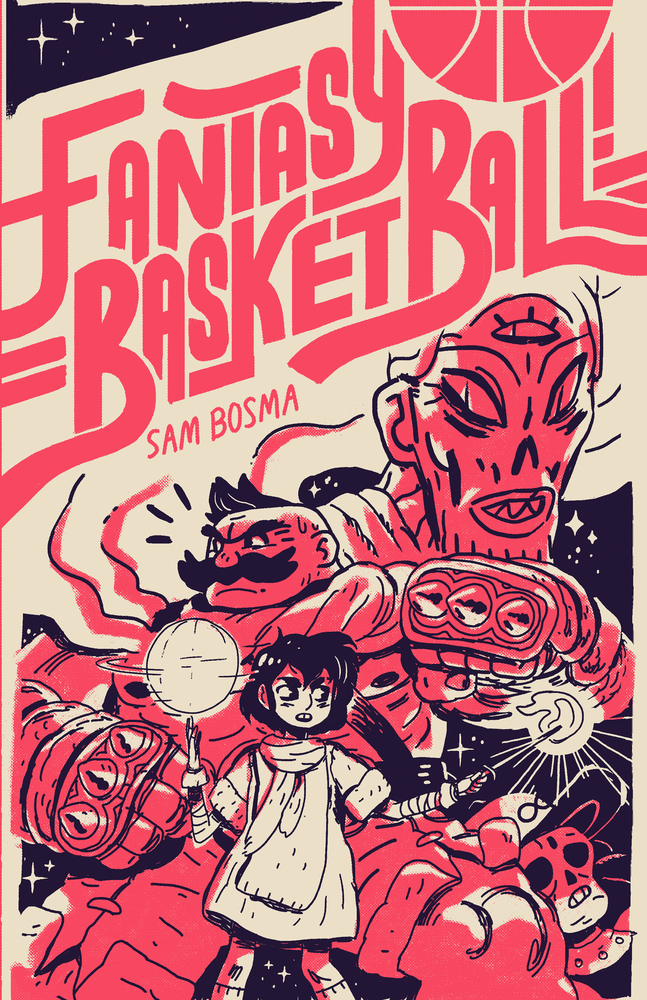
FANTASY BASKETBALL

Andrew: Few comics this year had me jumping out of my chair to cheer the main character on. Equally few inspired an immediate re-read — not to understand it better or anything, but to simply relive and extend the joy of reading it for as long as possible. Sam Bosma’s Zelda-meets-NBA Jam dungeon romp did both those things. It is simply a perfect comic, the kind I never knew I needed till I had it.

CB cover

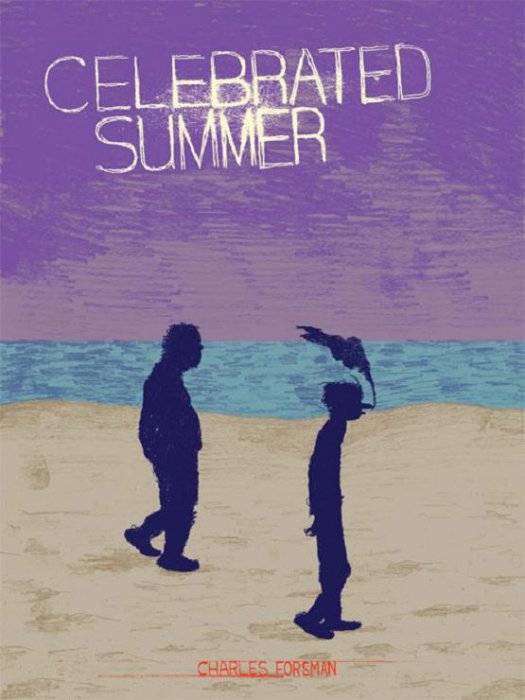
CELEBRATED SUMMER

Josh: 2013 has been a hell of a year for Charles Forsman. During his breaks from almost single-handedly resurrecting the subscription model with OILY COMICS, his mini-comics publishing dynamo, he’s managed to release two of the best graphic novels of the year. CELEBRATED SUMMER stars Wolf, a lonesome, chubby teenager who goes with his buddy Mike on a very boring and dissolute acid trip. Forsman is a master of silences — few cartoonists are as articulate with words left unsaid — and this utterly recognizable and deceptively simple story speaks volumes without saying much at all.

HIP-HOP-FAMILY-TREE-COVER

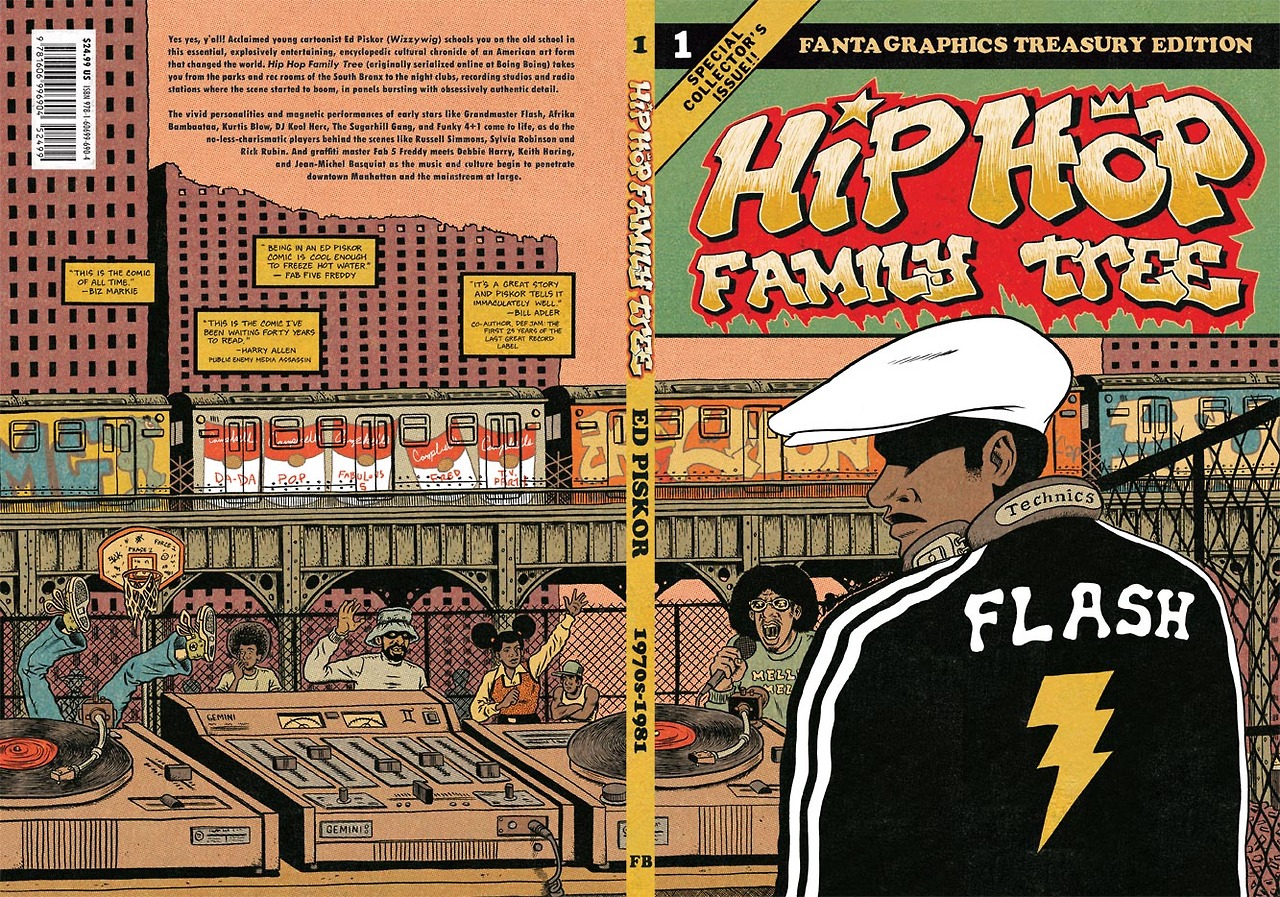
HIP HOP FAMILY TREE

Chris: Ed Piskor throws down an encyclopedic account of the early days of an American art form. The telling of the tale is as fresh as the old-school treasury format, which Ed recreates in loving, meticulous detail. Bring on volume #2!

Continue reading

CELEBRATED SUMMER by Charles Forsman

CB cover

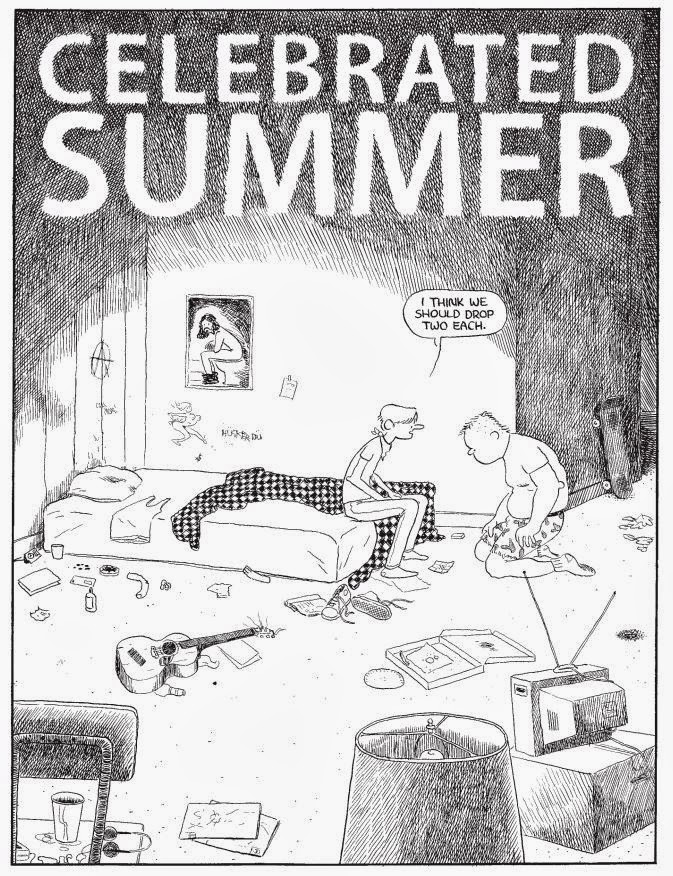
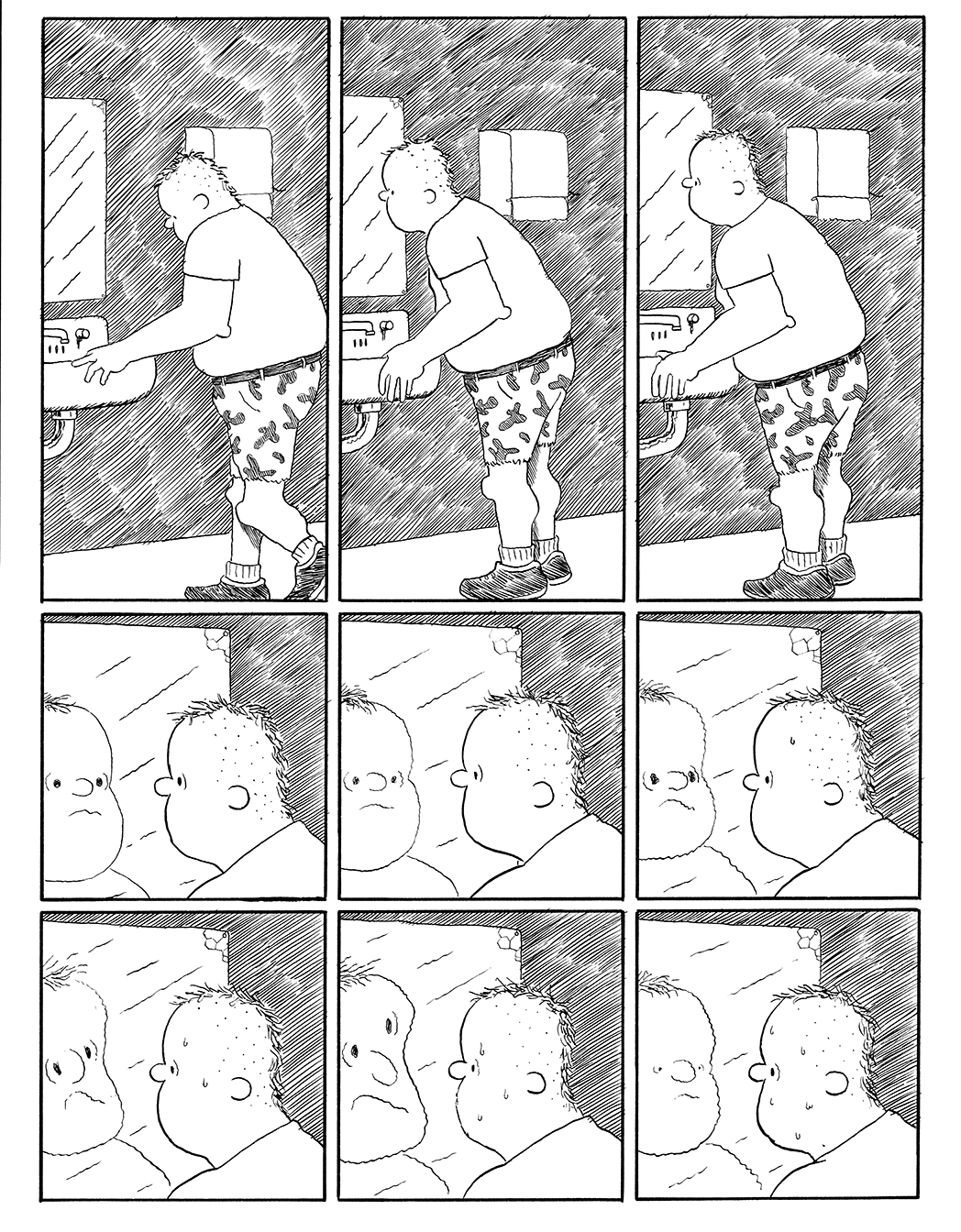
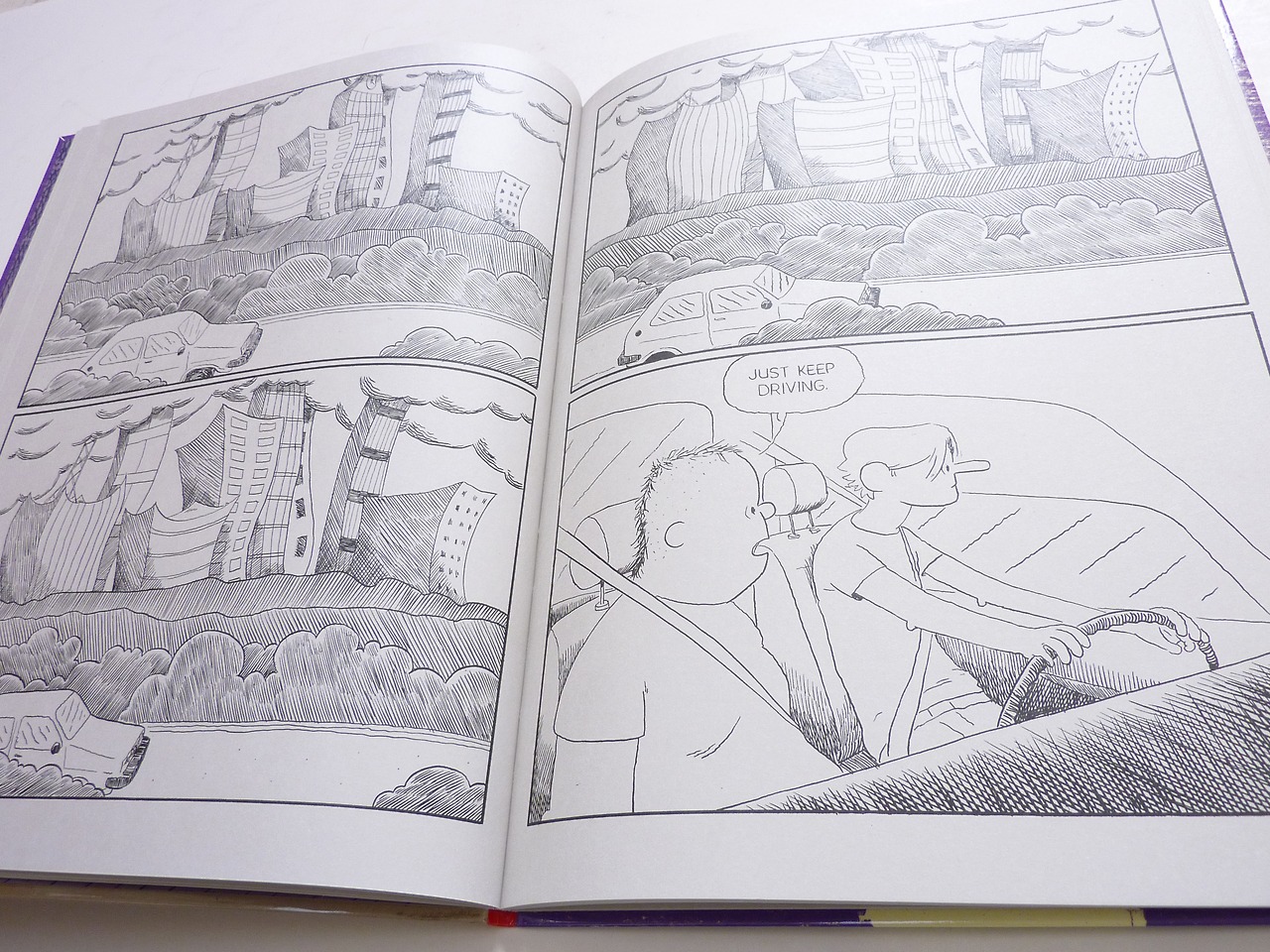
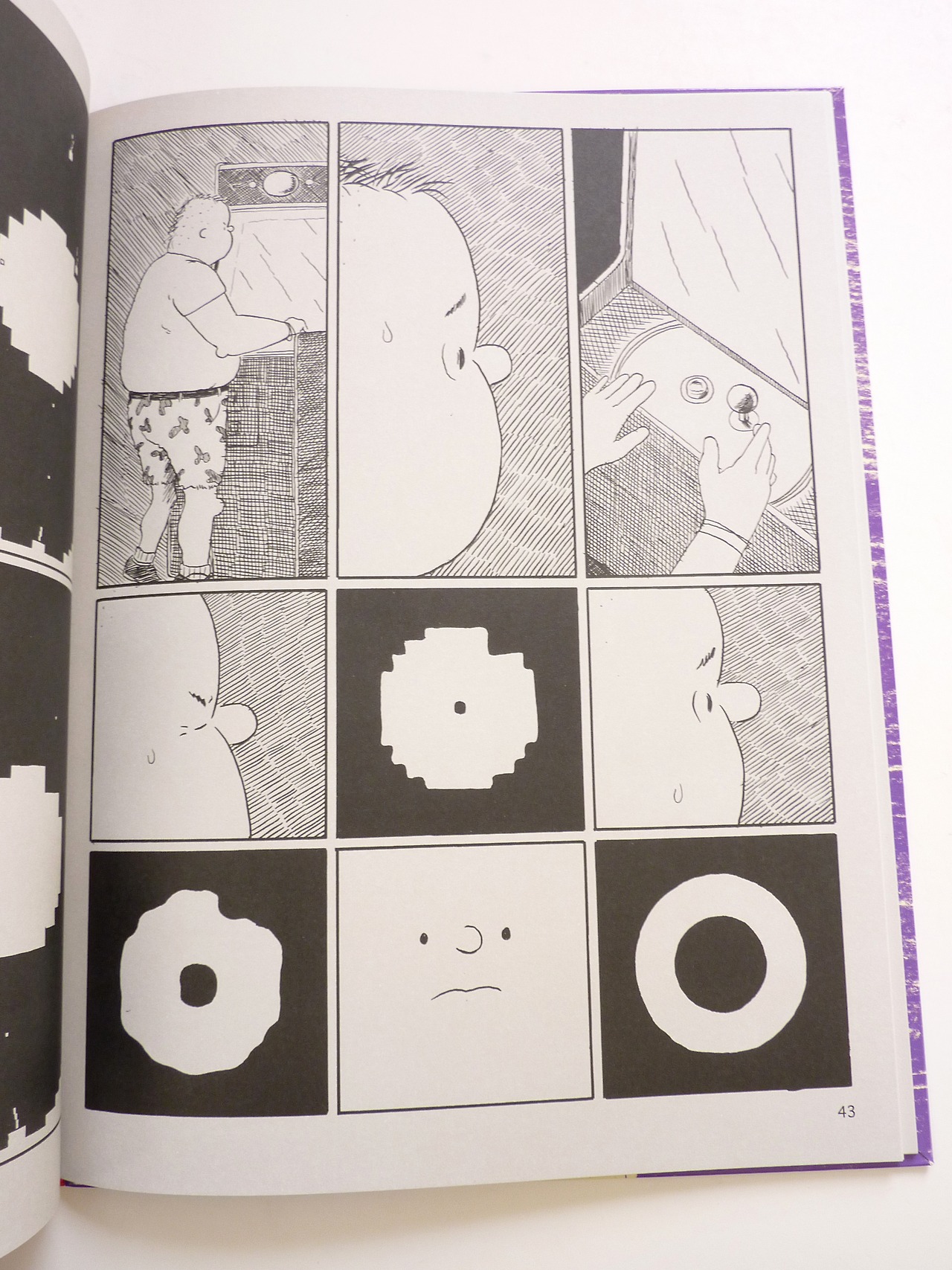
Charles Forsman’s quietly moving new book CELEBRATED SUMMER is essentially plotless. Two teenagers drop acid and drive around. That’s the whole story. There are no revelations along the way — their friendship doesn’t go through any changes, there’s no character arc. They just drive, from the arcade to the beach to the convenience store, and try to figure out whether they’re having any fun. Then they go home. It’s all rendered in Forsman’s punk-Hergé micron style, where the clear line of Kevin Huizenga meets the scratchy cross-hatching of Chester Brown.

This is Forsman’s second consecutive disaffected-teenage-roadtrip book, following the chilling, Badlands-inflected THE END OF THE FUCKING WORLD. But where TEOTFW was cold and harsh, preserving the mystery of its semi-sociopathic protagonists, CELEBRATED SUMMER is resignedly warm and humane. The former was an intense and frightening reading experience; the latter is a brief and mild one. But it’s also more thoughtful and assured, and in a very quiet way more formally and literarily ambitious than its predecessor.

The main character is Wolf (did he give himself that name?), a tubby, sensitive soul trying to pass as a rough outsider, with his fuzzy half-assed excuse for a mohawk and his Sluggo-style scalp stubble. His buddy Mike is a weaselly but good-natured little dork who sees himself as some kind of sleazed-up, street-smart operator.

Mike is clearly the leader of their little partnership, the one wielding the mantle of COOL KID in their little private world where no such thing exists. Mike is the one who drives the car, who announces destinations, who kicks off the book with a plan:

CB first page

Mike has an older girlfriend, and you can feel him weighing out the wages of dangerous adulthood when he says “I’m feeling less like her boyfriend and more like her dealer.” You get the sense he’s trying and failing to grow a mustache. Mike’s the one who keeps his cool when the cops cruise by, while Wolf curls up into the fetal position. In Mike’s mind this makes him an ice-cold outlaw, a position granted tacit endorsement by Wolf’s passivity.

Because Wolf is lost and scared, hoping to hook into some post-adolescent conduit to carry him away from his fat-kid-at-the-pool past and his post-high-school-nobody present. He’s just graduated, scaling the wall that hems in the world of children, and found nothing on the other side. When Mike asks what it’s like to be done, he says, “I kinda don’t feel anything… it just sort of ended, man.” That’s what the acid trip is about, really — he wants to crack through his empty, trackless reality to find someplace new to go, and someone new to be. But all the drugs do is make things wiggle and shift, and take away his ability to piss.

CB face mirror

Forsman’s depiction of the trip violates every acid cliché and leaves you with an LSD experience that lays bare the rawness of the material world and gently warps your perceptions around its borders. Everything is funny and scary. Where most artists would go the day-glo-electric-kool-aid route and give us spirals and abstractions, a world melting into bubbling goop and neon colors, Forsman just subtly bends his monochrome reality, frays it at the edges, and yet when it’s played off his anxious minimalist style, the results are more vertiginous and immersive than the hyperactive overstimulatory experimentation of most acid-trip artwork. There’s no indulgence here.

The brief transcendent moments are fleetingly real, like when Mike becomes enraptured by a tiny white flower. Mostly there’s just restlessness, as these kids drive and wander aimlessly, two teenage satellites adrift in a black vacuum, just barely hopeful enough to continue moving through the stars.

CB buildings

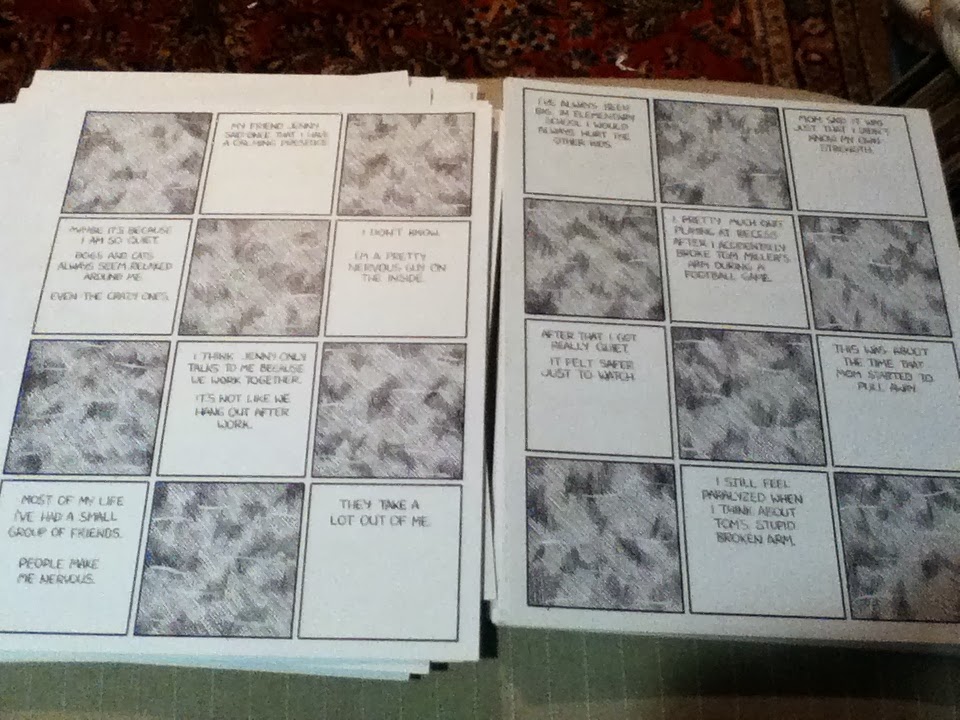
The only deviations from Forsman’s fly-on-the-wall matter-of-factness come in brief but effective glimpses into Wolf’s head, when he speaks in monologue. His thoughts are honest and ineloquent, quietly searching and self-pitying.

One panel simply says “I’ve always been big. In elementary school I would always hurt the other kids.” As the story moves we get more of a sense of Wolf and his withdrawal, his absent waywardness a scrim behind which to hide his anxiety and anguish, even from himself.

“This was about the time mom started to pull away.” We don’t get any more info on Wolf’s parents that that, but it’s all we need – they’re somehow gone, and he’s left with his fretful grandmother, who he sweetly thinks to call even in the middle of an acid trip.

CB rain

The comic takes its title from a great Husker Du song that splits the difference between between sneering and nostalgia. “Just when I’m ready to sit inside, it’s summertime.” The big chunky power chords of that song build until they suddenly drop out, leaving a twelve-string guitar and a beautiful Bob Mould melody that couldn’t sound more out of place in a hardcore punk song. The glimpses into Wolf’s head serve, jarringly, like that unexpected bridge, offering you a radically different tone, something sad and kind bubbling just under a careless surface.

The book’s final moment is its most courageous. Wolf walks through the rain in his dirty sweatshirt the day after the trip, remembering his childhood. “I can never be there again,” he thinks. “I cannot be saved.” And then, as he steps through a puddle, we see him as a little boy, snug in his raincoat, with a caption that reads, “I’d give anything to not be scared.”

This is so direct and sincere that it dances dangerously close to maudlin sentimentality. It’s clearly a moment designed to pull your heart into your stomach. But its power is in its irony: Here is Wolf, perched on the verge of a voided adulthood, peering back with longing at a youth that was probably not much happier, just safer. The only difference was that there used to be someone to wrap him in a coat when it rained.

But this kid has his grandmother to yell at him for staying out all night while making him a BLT. And someday, after he’s found and lost his bearings a dozen times, he will look back wistfully on the simple melancholy of a summer when school was done and he was high and all he had to do was drift. The story ends on Wolf reaching back for a lost youth, with no sense of how much more he’s bound to lose.

circles– Josh O’Neill
 

good this week

the wake part one : this is a smart offering, collecting issues 1-5 of the much-buzzed-about sci-fi horror story from popular creators scott snyder and sean murphy. a creepy, claustrophobic yarn that will read better in chunks, this one is highly recommended.
Image

pretty deadly #3 : the strongest issue yet of this myth- & blood-drenched spaghetti western. one of the best single issues of the year.

Image

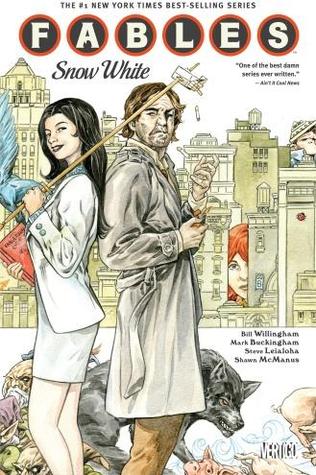
fables volume 19 : the newest collection of the beloved series.

Image

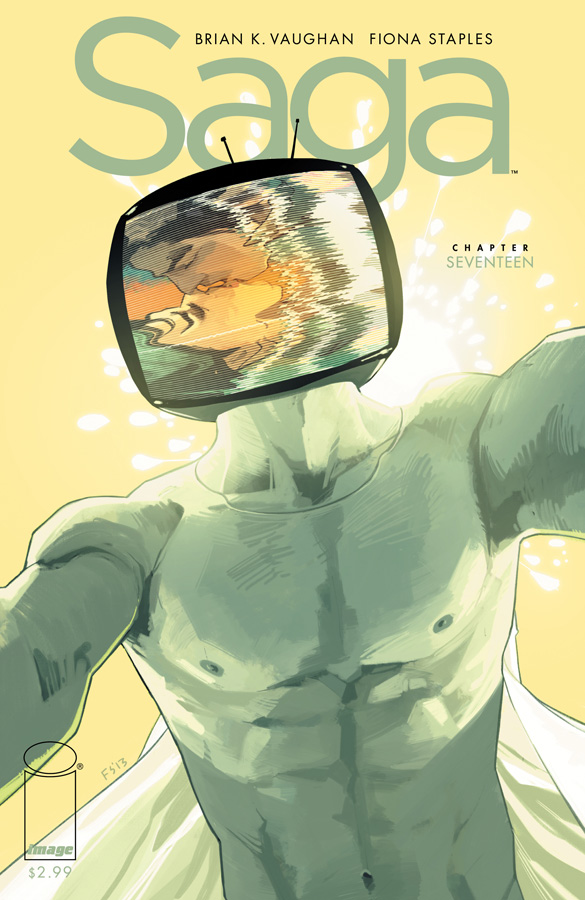
saga #17 : the most consistently entertaining book of the last two years, with no sign of slowing down.

Image

east of west #8 : this book gets my year-end vote for ‘BEST OF’.

Image

figma metroid action figure set : yep.

Image

Image

–chris stevens

Tuesday Tease

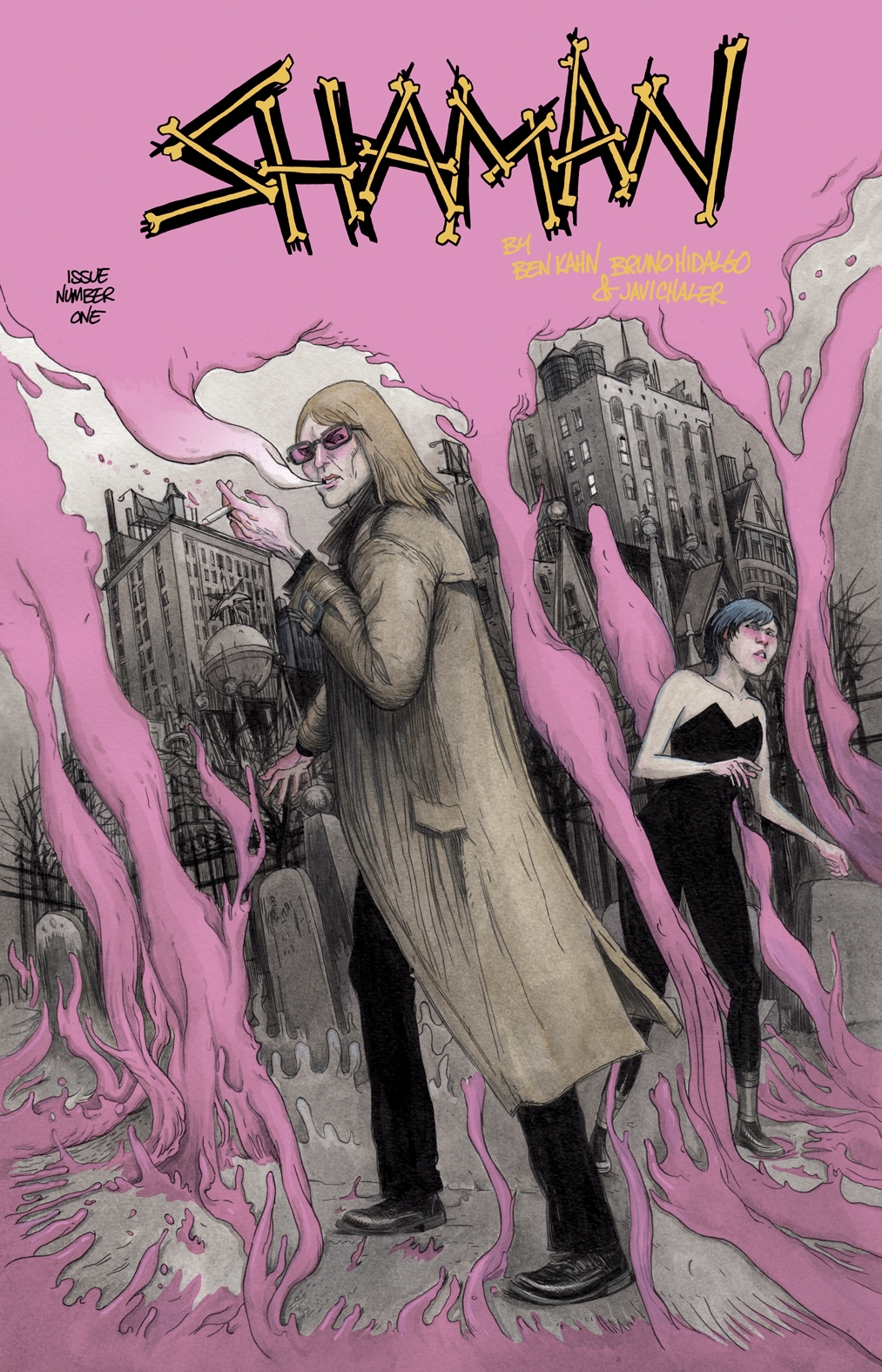
this week we take a look at a series we have been working on called SHAMAN. the way this project came about is an interesting story. when we closed down the original locust moon there was about a year in-between opening up the current shop. during that year we were still obligated to receive books from diamond, and each week i’d meet the ups guy and haul the boxes of books up to my tiny apartment. this was a pretty shitty situation that was made a lot more tolerable by the fact about a dozen of our customers were loyal enough that they continued getting their books from us, meeting me in my apartment or outside my building. one of those customers was ben kahn, who was getting ready to graduate from upenn. ben had a real passion for the medium and a strong desire to create his own comics. once i realized that he was serious about it, i set off to help him make it happen. written and created by ben, illustrated by bruno hidalgo, and lettered by jason arthur, you will be seeing a lot more of SHAMAN in 2014. for now, here’s a look at the cover by farel dalrymple to the first issue and a page from bruno. SHAMAN logo designed by rob woods.shamanfarel_150dpiSHAMAN_ISSUE2_PAGE24
–chris stevens

LITTLE NEMO: DREAM ANOTHER DREAM update

We’re entering the final stretch of production on our biggest, most dizzying project. We are so profoundly lucky to be acting as the curators for this remarkable collection of Winsor McCay tributes, and we couldn’t do it without folks like…

JEROME OPEÑA

Between his work on with Rick Remender on UNCANNY X-FORCE and Jonathan Hickman on AVENGERS, Opeña has brought a wide-eyed, big-screen boldness back into super-hero comics. His gorgeously iconic, epic-scale work reminds us of reading Marvel books when we were kids — everything is mythic, and bigger-than-big.

opena

opena2

opena

DAN GOLDMAN

The multi-media auteur behind SHOOTING WAR and the upcoming web-to-print graphic novel RED LIGHT PROPERTIES promises to bring us a cracked psychological take on Little Nemo.

goldman

goldman2

goldman4

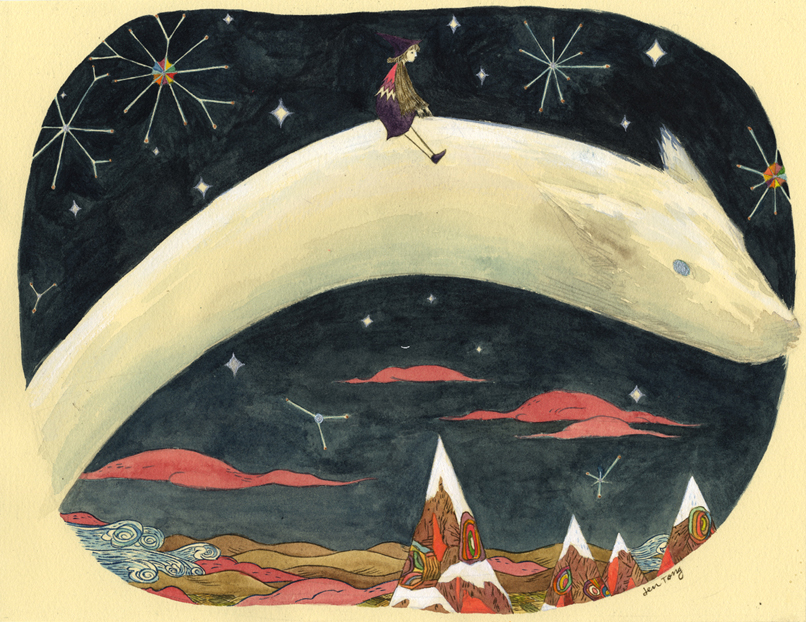
JEN TONG

The dreamy, exquisitely kaleidoscopic imagination of Jen Tong is a perfect vehicle for a cruise through Slumberland. Her gorgeous hand-made comics make us wish we could screen print this whole damn book.

tong6

tong4

tong5
We’re keeping this list of Nemo names updated with most of the contributors we have publicly announced – so check it out if you’re wondering who else has signed up! And our first revealed pages from the book can be found here.

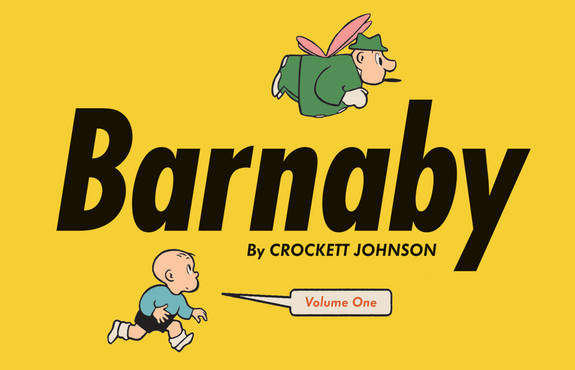
BARNABY, by Crockett Johnson

barnaby cover

BARNABY, by Crockett Johnson, is less a newspaper strip than it is an object of love. Only mildly successful during its 1942-1952 run (a warm-up for the career-making, genre-defining classic HAROLD AND THE PURPLE CRAYON, which features an identical protagonist), it has attracted not a large fan base but a wildly, irrationally enthusiastic cult of supporters and proselytizers, including Dorothy Parker, Art Spiegelman, Duke Ellington, Chris Ware and Franklin Delano Roosevelt. (Now that’s a dinner party.)

Fantagraphics’ faithful and reverent new edition, with its beautiful banana-yellow, era-appropriate book design by Dan Clowes and wonderfully informative and enthusiastic essays, brings this nearly-forgotten material roaring back to life. Jeet Heer writes, “It’s hard to talk about BARNABY without raving.” Parker writes, “I cannot write a review of Barnaby… it is always a valentine for Mr. Johnson.” Having newly become aware of this comic, I am a late convert to their brand of tongue-twisted devotion to this wonderful proto-Calvin & Hobbes creation — this off-beat, sweet-hearted suburban saga located at the junction where modernism meets magic.

barnaby1

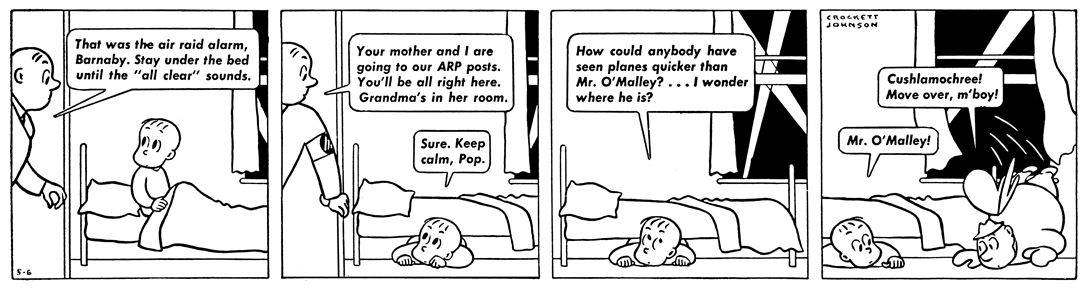
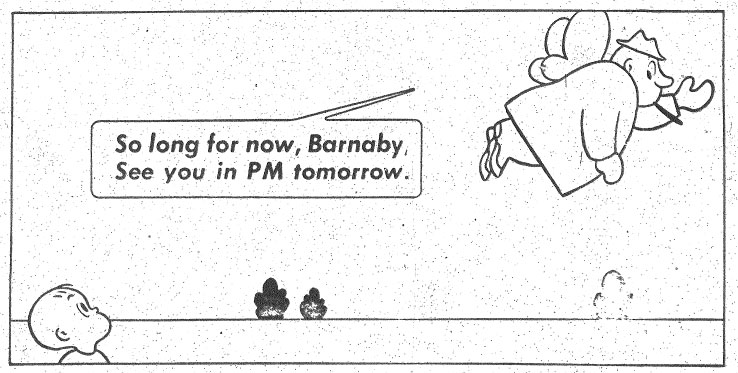
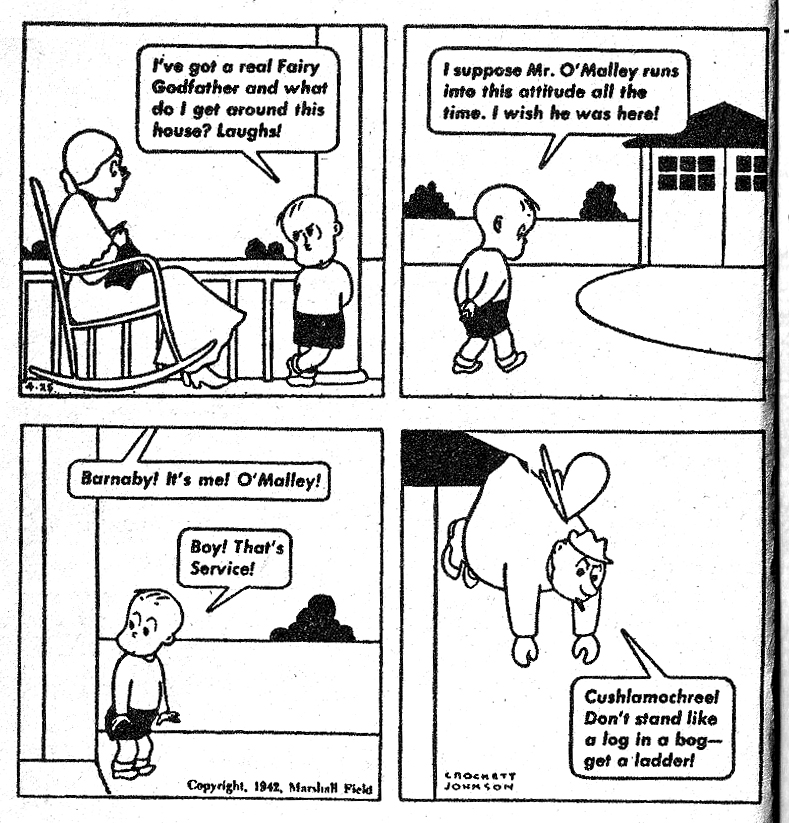
The subject of BARNABY is the relationship between the titular adolescent boy and Jackeen J. O’Malley, his glad-handing, possibly-imaginary roustabout of a fairy godfather. O’Malley is a character for the ages — less guardian angel than drunken uncle, full of patter and tall tales, possessed by insatiable appetites for food and drink and self-regard. He bluffs his way into Barnaby’s high esteem, and shanghais him into ill-considered schemes and misadventures. It all plays out against the backdrop of the second World War – a perfectly appointed middle-class idyll disrupted by air raid sirens, rationing and the draft. BARNABY is entirely a product of its era, with many references to the politics of the day, but it also has a folkloric quality. It seems to float, as the best newspapers strips do, in some eternally mythic American moment.

BARNABY air raid

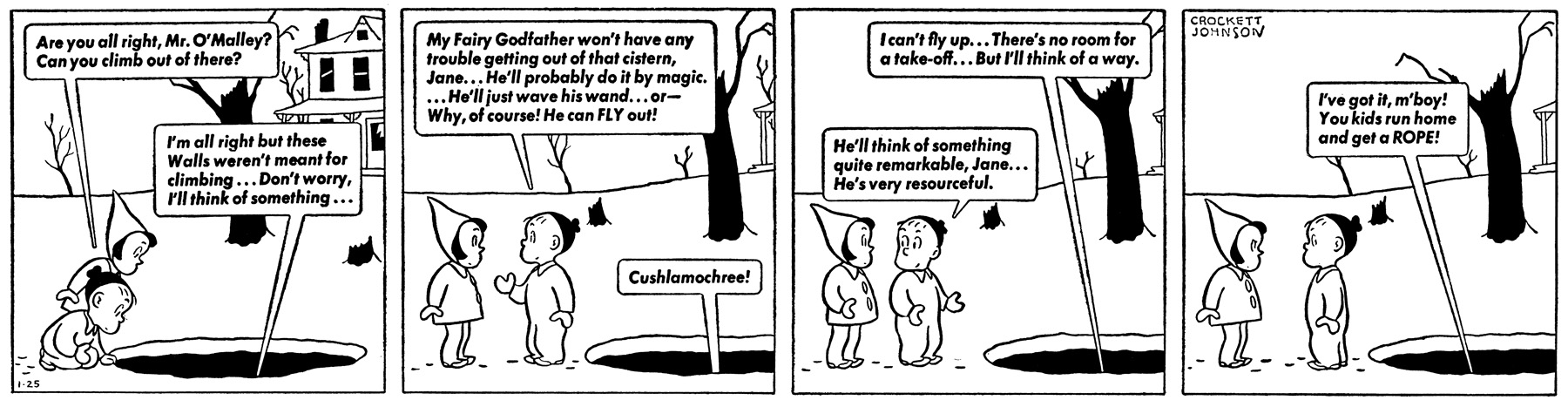
The central joke is that Barnaby, unlike Calvin, is no hyper-active kid with an outsized imagination. He’s calm and collected, a reasonable, well-adjusted little boy. His personality is perfectly reflected in Johnson’s almost translucently clear-line cartooning, in which everything is boiled down to its barest essence — life as one big declarative sentence. Not a pen-stroke is given to nuance or shading. Barnaby’s belief in O’Malley is equally uncomplicated and complete, emblematic of his character as a whole: his fairy godfather is magical and heroic by definition, and no failure to display his powers or act heroically (or even decently) will convince him otherwise. Everything about Barnaby is matter-of-fact; everything about O’Malley, from his braggadocious claims to his very existence, is a matter of fiction. The sweetness of their relationship is that O’Malley gets to be grand and mystical in the eyes of the kid, and the kid gets proof positive that the world is an enchanted place. O’Malley is just a mostly-incompetent con man with wings, but he gives the gift of magic to this quiet, cool-tempered child.

barnaby magic

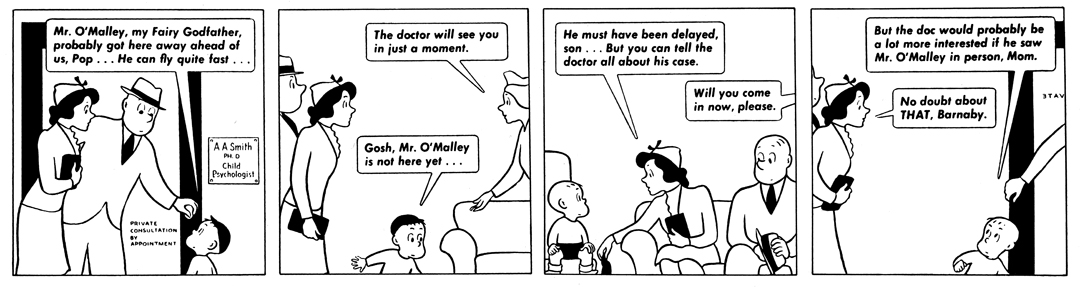
Everything in Barnaby’s world is trying to shoot down the fantasy. Parents, teachers, and child psychologists all conspire to snap him out of the delusion. But his faith in the supremacy of his fairy-godfather can’t be shaken. Despite the fact that O’Malley’s “magic wand” seems to be a cheap cigar, and excepting his power of flight O’Malley never exhibits a single supernatural ability, Barnaby is utterly convinced of his pal’s near-omnipotence.

barnaby doctor

There’s a curious blurring of the strip’s reality halfway through the book, when it turns out first O’Malley can be seen by other children, and the later by mobsters, drunks, and other fringe elements. So the strip, which initially seems to be about a boy and his imaginary friend, gets an authorial endorsement of its fantasy: O’Malley is real — he’s just invisible to members of the establishment. The rock-solid button-down social machinery of work, school, home, whether in peacetime or war, cannot be penetrated by the very real outre magic of Barnaby’s backwoods.

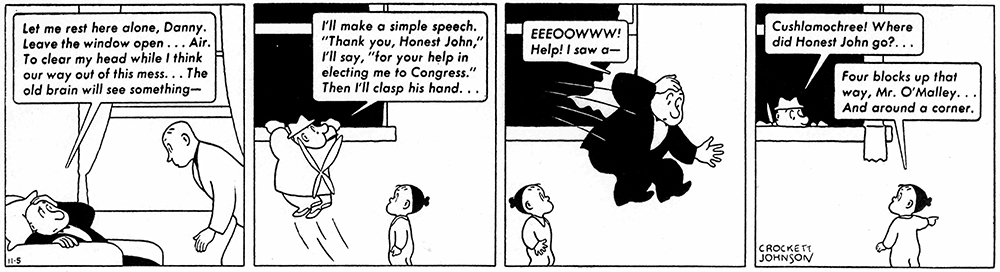
Until Mr. O’Malley is elected to Congress.

barnaby congress

This is the kind of great joke that Johnson specializes in: oddness and disruption so deadpan it seems obvious. Barnaby’s dog Gorgon, it’s suddenly revealed, can talk — but he turns out to be such a rambling bore that everyone just wishes he would shut up. When Barnaby and O’Malley go to visit a giant, he turns out to be three feet tall and “sensitive about his size.” There are very few belly laughs to be had here, more quiet chuckles, and many of the strips seem to forget to supply any punchline at all. But you don’t care — you’re not here for payoffs, you’re here to be immersed in this clean, cracked world, the wry amusements and the utterly recognizable characters who stick with you. The solid earth of perfectly crisp drawing and flawlessly defined personalities allows Johnson to play fast and loose with his invented reality.

The brilliance of all this is that, through some mysterious alchemy of cartooning and character, it manages to provoke an immense reaction of love in the reader, without ever resorting to any kind of sentimentality or manipulation. There are no occasional moments of heart-tugging sweetness, like there were in Calvin & Hobbes, no Schulzian pathos. Just a dry, almost clinical depiction of the adventures of this boy and his favorite figment. The depiction is so coldly clean, so unwilling to invest itself in its characters’ points of view, that for all of its charm and ease it has an almost autistic, Kubrickian gaze.

And yet, when Dorothy Parker describes these characters as “important additions to my heart,” I am right there with her. There’s something unguarded and hopeful in the total lucidity of the storytelling and the sharp-relief definition of the characters, something unjudgemental and welcoming and unafraid, that invites you in. And if you answer that invitation, before you know it, Mr. O’Malley will storm into your house, ravage your ice-box and light up a cigar.

omalley

Maybe that’s unsurprising — O’Malley is a pure force of blustering charm & friendly bullying presumption. It’s his nature to tromp in where he isn’t invited. But you will also find that, very quietly, this little watchful boy with his wide American eyes and gullibly observant optimism has pulled up a chair. He sits there with his polite smile and uncanny enthusiasm, and compels you to invest some small, unconflicted piece of yourself in the most mundane & preposterous magic.

And like Barnaby, we will take our magic where we can get it.

barnaby end– Josh O’Neill